Vergleich der Eplan Storage Accounts
Vergleich der EPLAN Storage Accounts
am 06.03.2023 von 08:30 bis 09:30 hat Daniel Trois einen Vergleich beider Storage Account Lösungen durchgeführt.
Zitat:
Das wechseln funktioniert einwandfrei. Bei der Nutzung, sowie beim Öffnen und Sichern von Projekten ist kein Unterschied zu erkennen. Ladezeiten sind simultan mit der Premiumversion.
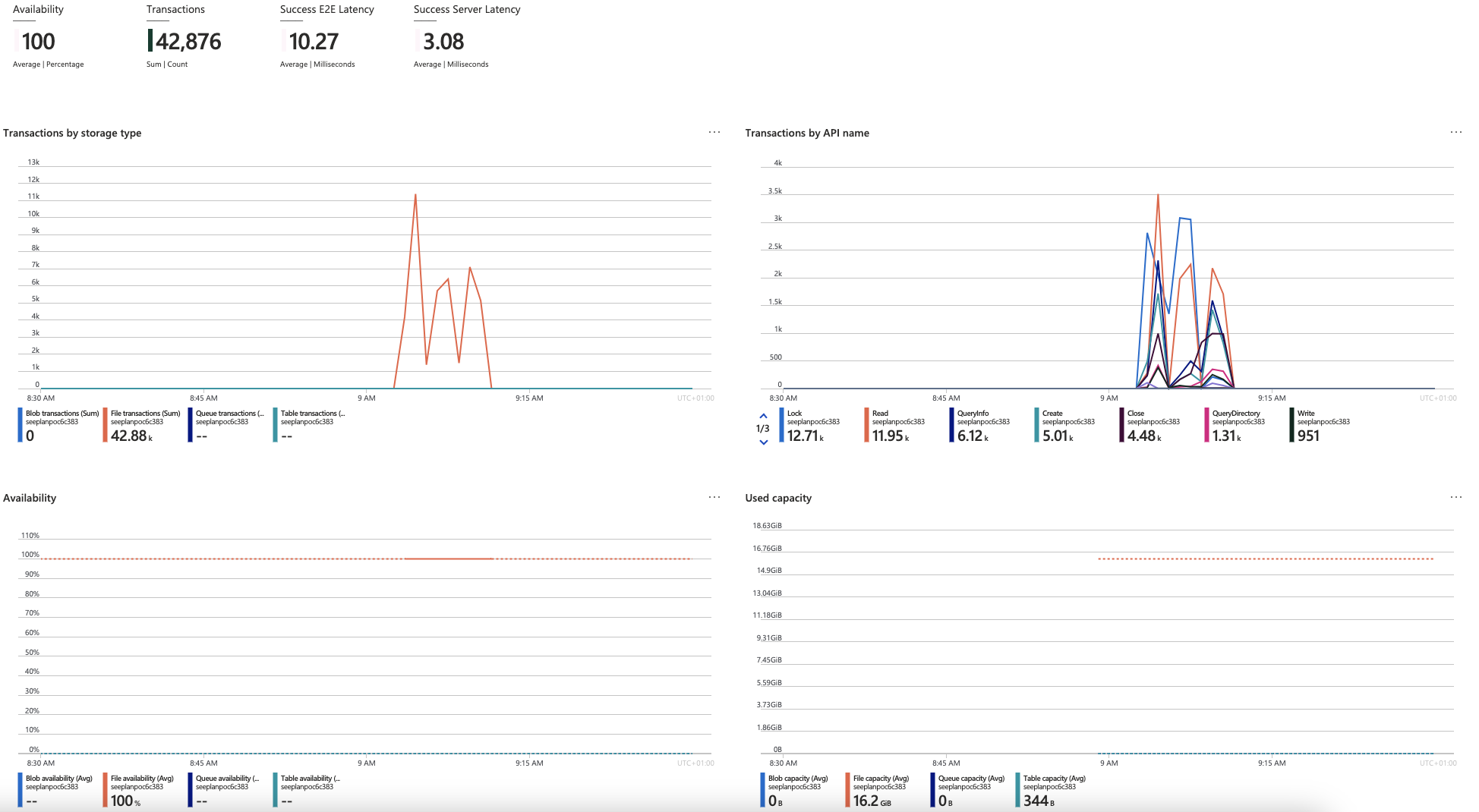
Premium Storage Account
Eckdaten
Performance: Premium
Replication: LRS
Kind: FileStorage
Fileshare: eplandata
Fileshare Size: 1TiB pre-provisioned
Fileshare Usage: 16,5 GiB
Costs
Costs: $159,13

Metriken
Availability: 100%
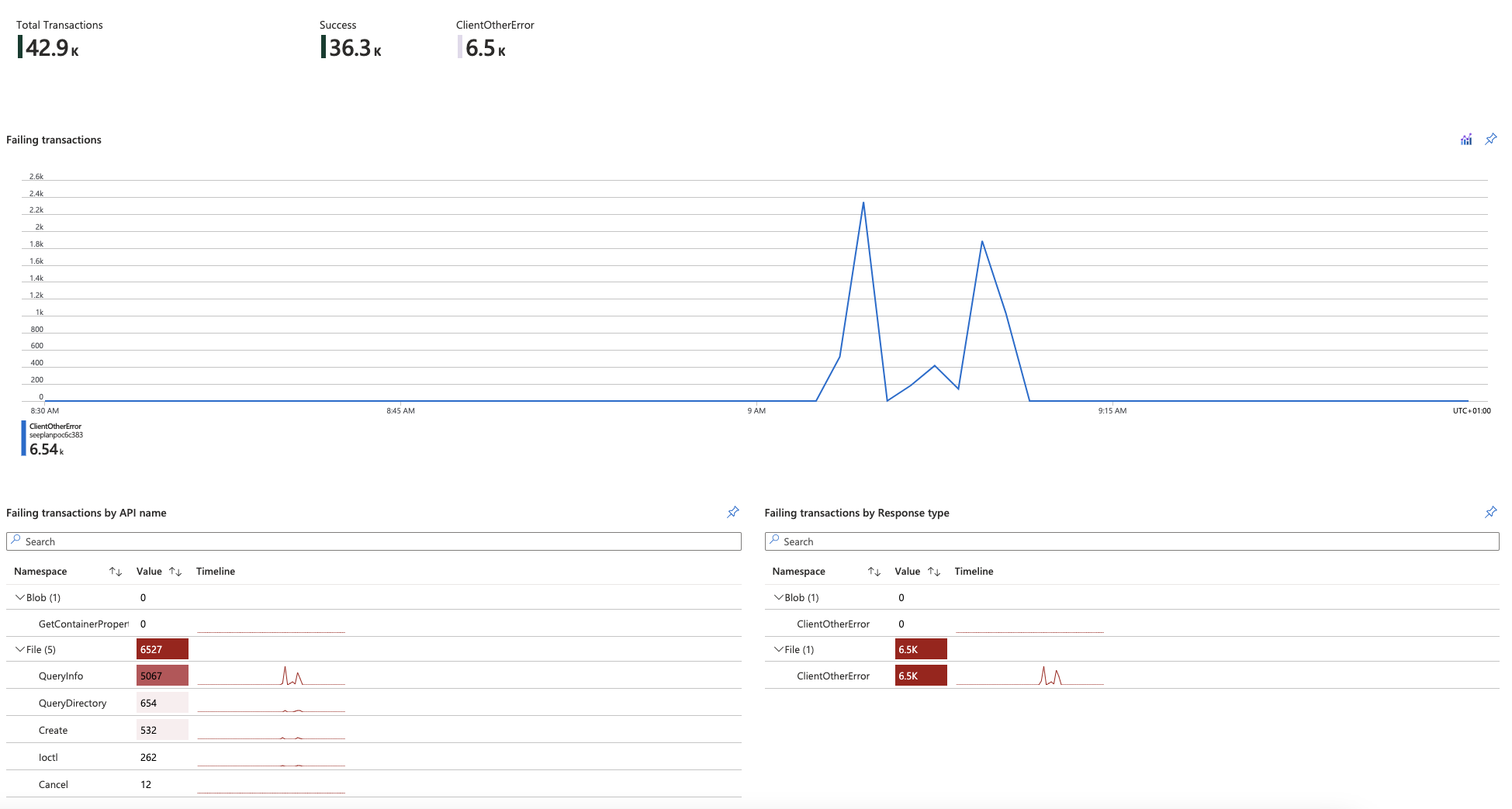
Transactions: 42876
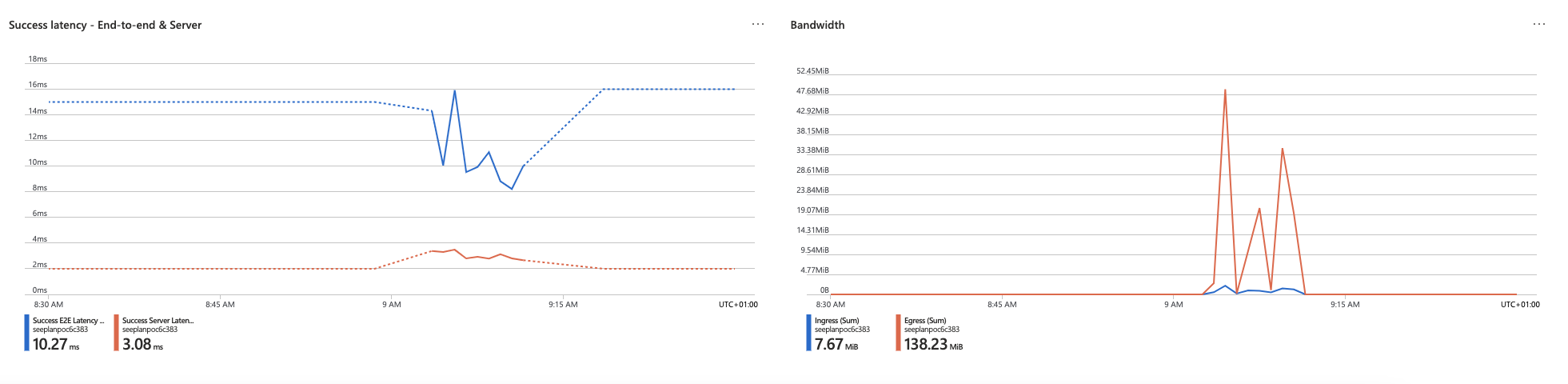
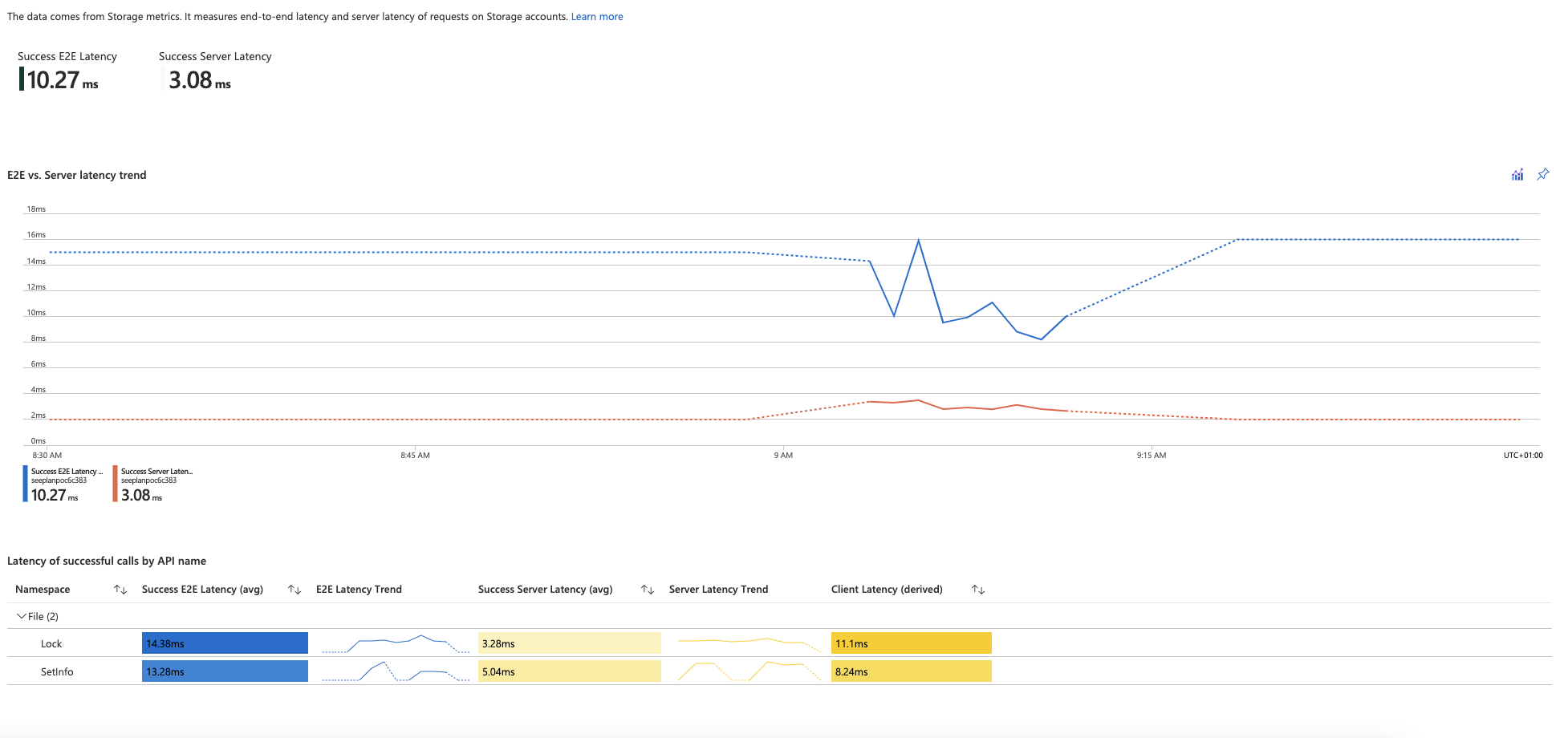
Success E2E Latency: 10.27 ms|avg
Success Server Latency: 3.08 ms|avg
ClientOtherError: 6.5k
Standard Storage Account
Eckdaten
Performance: Standard
Replication: LRS
Kind: StorageV2 (gpv2)
Fileshare: eplan
Fileshare Size: Up to 100 TiB
Fileshare Usage: ~16,5 GiB
Costs
Costs: $0,54

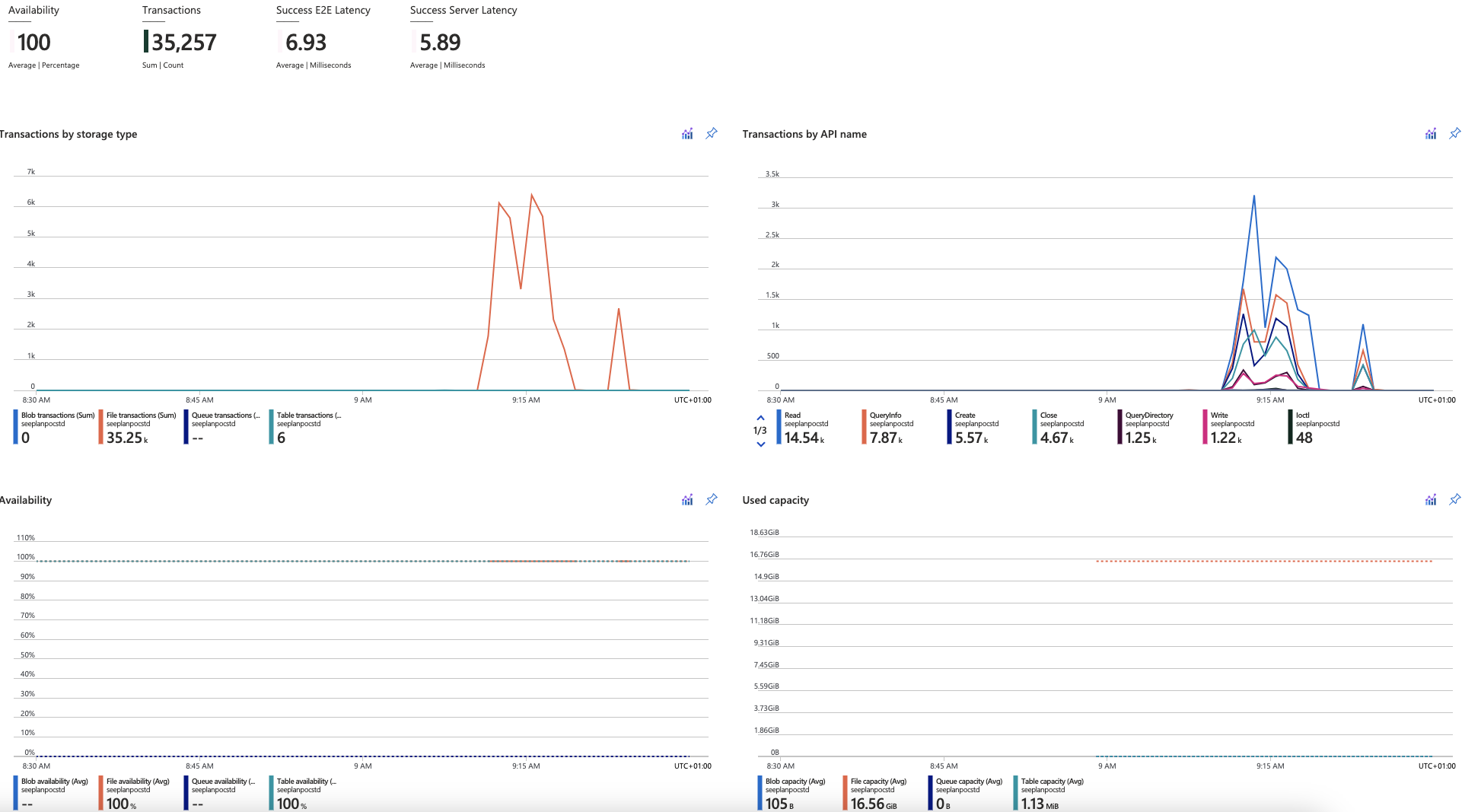
Metriken
Availability: 100%
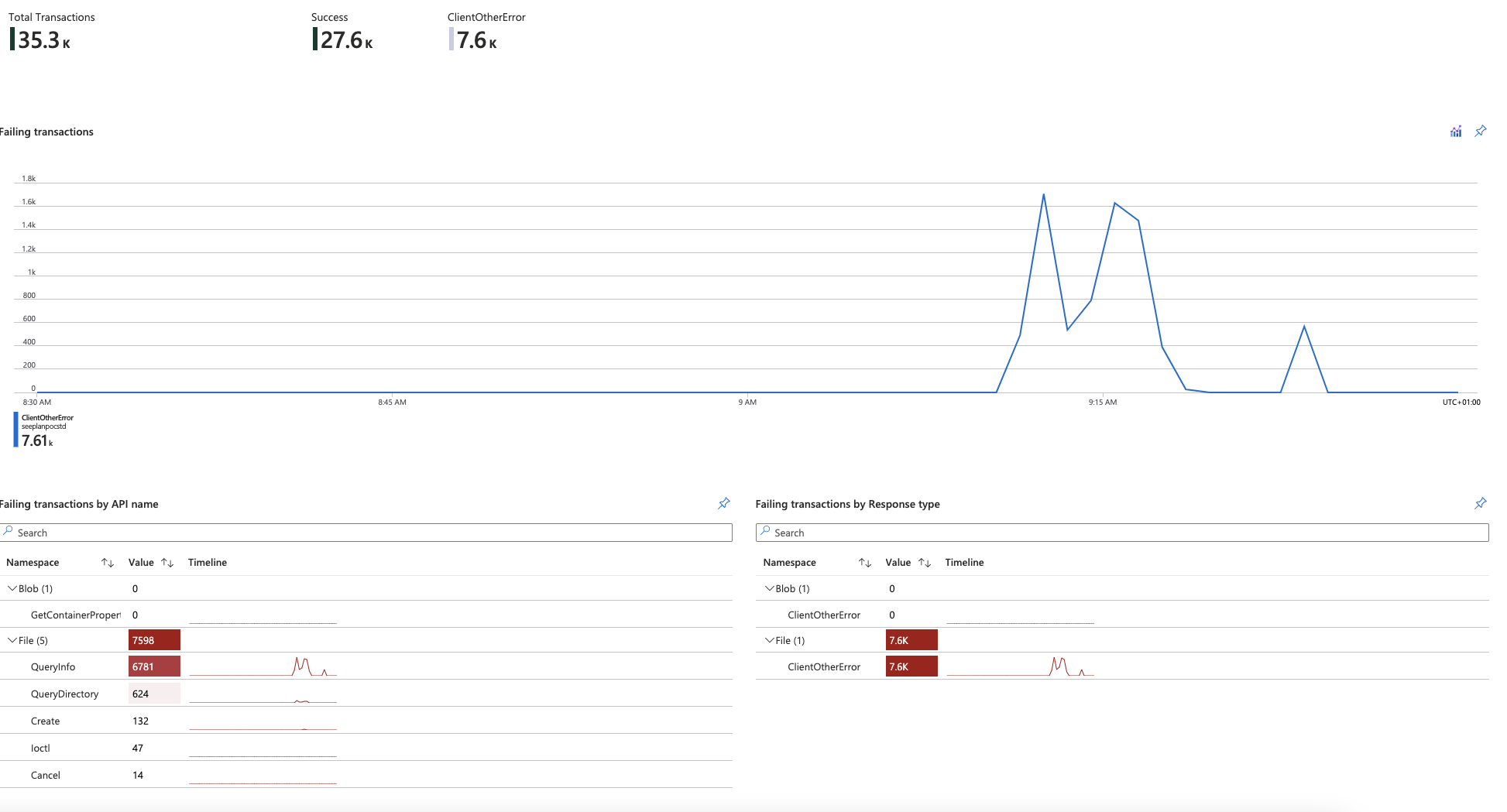
Transactions: 35257
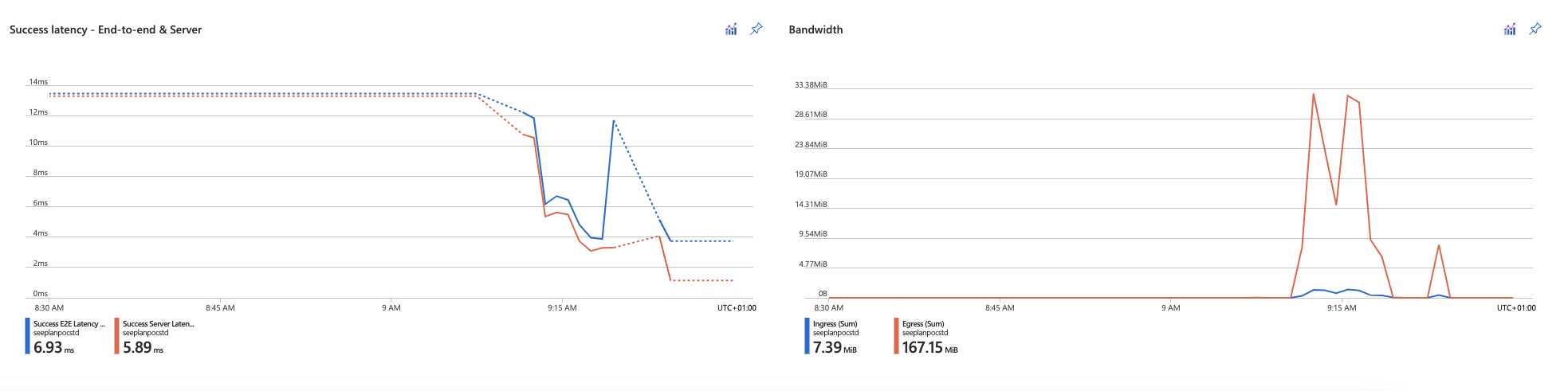
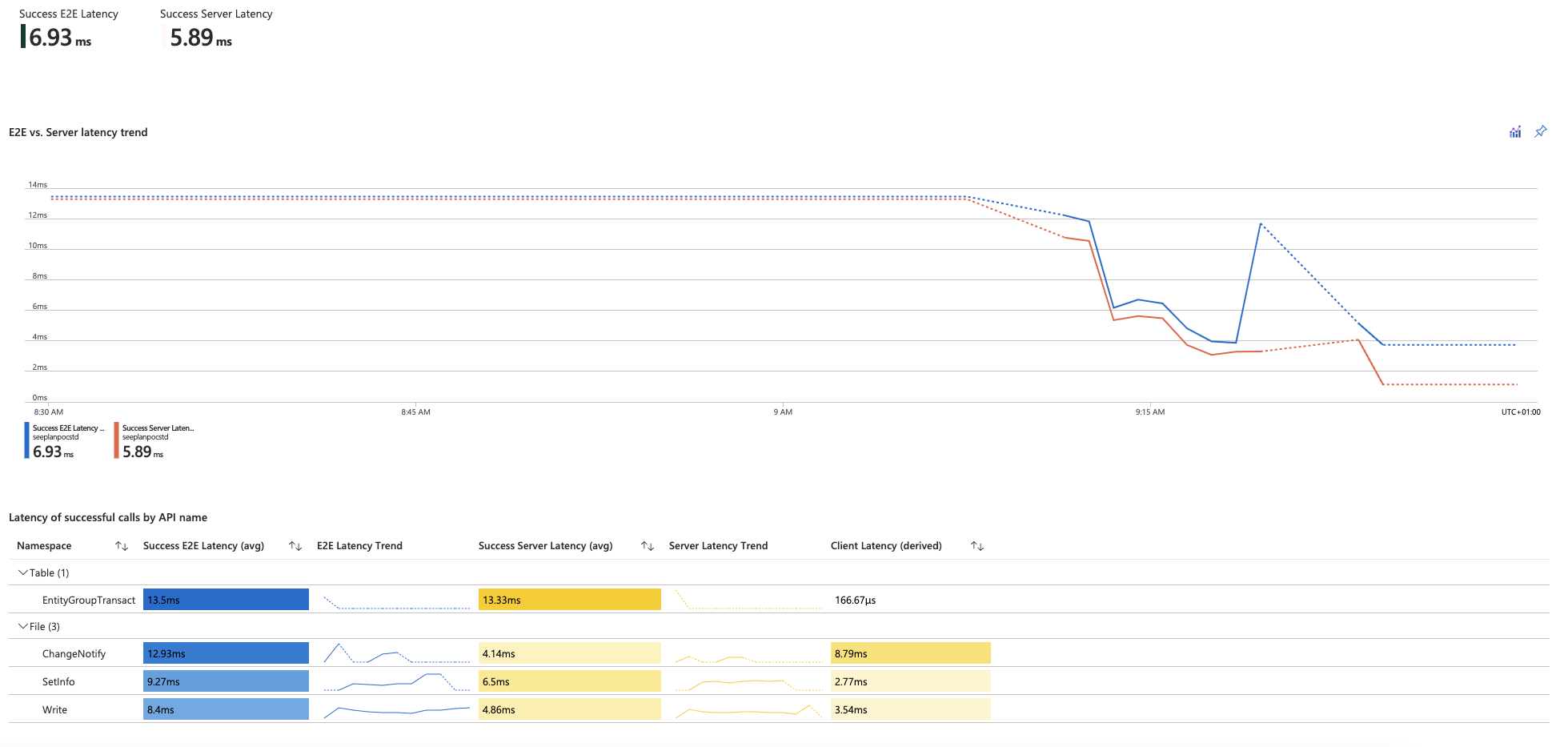
Success E2E Latency: 6.93 ms|avg
Success Server Latency: 5.89 ms|avg
ClientOtherError: 7.6k
Fazit
Die Performance Metriken beider Storage Accounts sind bei einem Test eines einzelnen Nutzer vollkommen vergleichbar und liegen innerhalb einer normalen Abweichung zueinander.
Der Standard Storage konnte in diesem Test sogar etwas besser abschneiden.
Als Nutzer von EPLAN P8 auf der Virtuellen Maschine ohne GPU konnte kein Unterschied zwischen beiden Storage Accounts festgestellt werden.
Mit einer aktuellen Nutzung von ca. 16 GiB Storage untscheiden sich die Kosten des Premium Storage Accounts (ca. $160) enorm von denen des Standard Storage Accounts (ca. $0,50).
Wenn man von einem Anstieg des Storage Bedarfs von 1000% ausgeht, so würden sich die Kosten des Standard Storage Accounts auf ca. $10 Ansteigen. Die des Premium Accounts würden gleich bleiben.
Bei größerer Last auf den Storage Accounts könnte es durchaus sein, dass die Performance Werte des Standard Storage Accounts abweichen. Dies lässt sich ohne weiteren Lasttest allerdings nicht beurteilen.
Limitations Standard Storage Account
IO operations per second (IOPS)
IOPS measures the number of read and write operations per second.
Standard Azure file shares offer up to 20,000 IOPS per share/volume and up to 1,000 IOPS per file, while premium shares can achieve up to 100,000 IOPS per share/volume and up to 8,000 IOPS per file.
Throughput
Throughput measures the number of bits read from or written to the storage per second, and is measured in mebibytes per second (MiB/s).
Standard Azure file shares offer up to 300 MiB/s per share/volume and up to 60 MiB/s per file.
Premium shares offer up to 10 GiB/s per share/volume and 300 MiB/s per file (up to 1 GiB/s with SMB multichannel).
To calculate throughput, multiply IOPS by I/O size. For example, 10,000 IOPS * 1 MiB I/O size = 10 GiB/s, while 10,000 IOPS * 4 KiB I/O size = 38 MiB/s.
Anmerkungen / Erklärungen
- Success E2E Latency: End-to-end latency (SuccessE2ELatency) is the total time it takes for a transaction to perform a complete round trip from the client, across the network, to the Azure Files service, and back to the client.
- Server Latency: Service Latency (SuccessServerLatency) is the time it takes for a transaction to round-trip only within the Azure Files service. This doesn’t include any client or network latency.
Storage account scale targets
| Attribute | GPv2 Storage (Standard) | File Storage (Premium) |
|---|---|---|
| Number of storage accounts per region per subscription | 250 | 250 |
| Maximum storage account capacity | 5 PiB | 100 TiB (provisioned) |
| Maximum number of file shares | Unlimited | Unlimited, total provisioned size of all shares must be less than max than the max storage account capacity |
| Maximum concurrent request rate | 20,000 IOPS | 100,000 IOPS |
Fileshare scale targets
| Attribute | Standard Fileshare | Premium Fileshare |
|---|---|---|
| Minimum size of a file share | No minimum | 100 GiB |
| Provisioned size increase/decrease unit | N/A | 1 GiB |
| Maximum size of a file share | 100 TiB | 100 TiB |
| Maximum request rate (Max IOPS) | 20,000 IOPS | Baseline IOPS: 3000 + 1 IOPS per GiB, up to 100,000 |
| Maximum concurrent request rate per file | 1,000 IOPS | Up to 8000 |
| Maximum ingress for a file | 60 MiB/sec | 200 MiB/sec |
| Maximum egress for a file | 60 MiB/sec | 300 MiB/sec |